

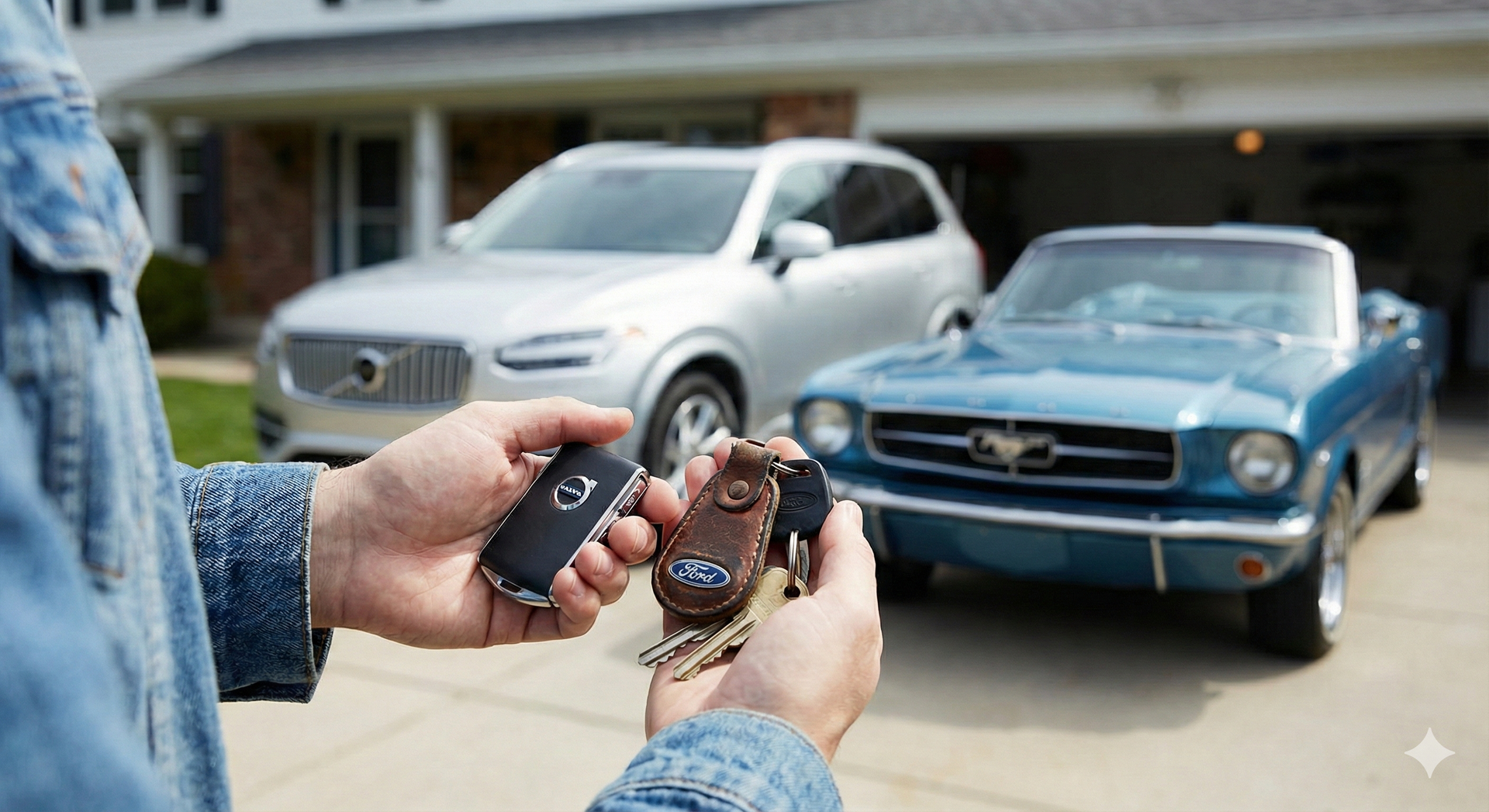
Life changes fast. Maybe you’ve just started a new job that requires a reliable commuter while your current SUV stays home for family duties. Or perhaps your household is growing, and you’ve realized that sharing one vehicle is no longer sustainable. Whatever the reason, the question remains: Is it actually possible to get another car on finance if you already have one? The short answer is yes.
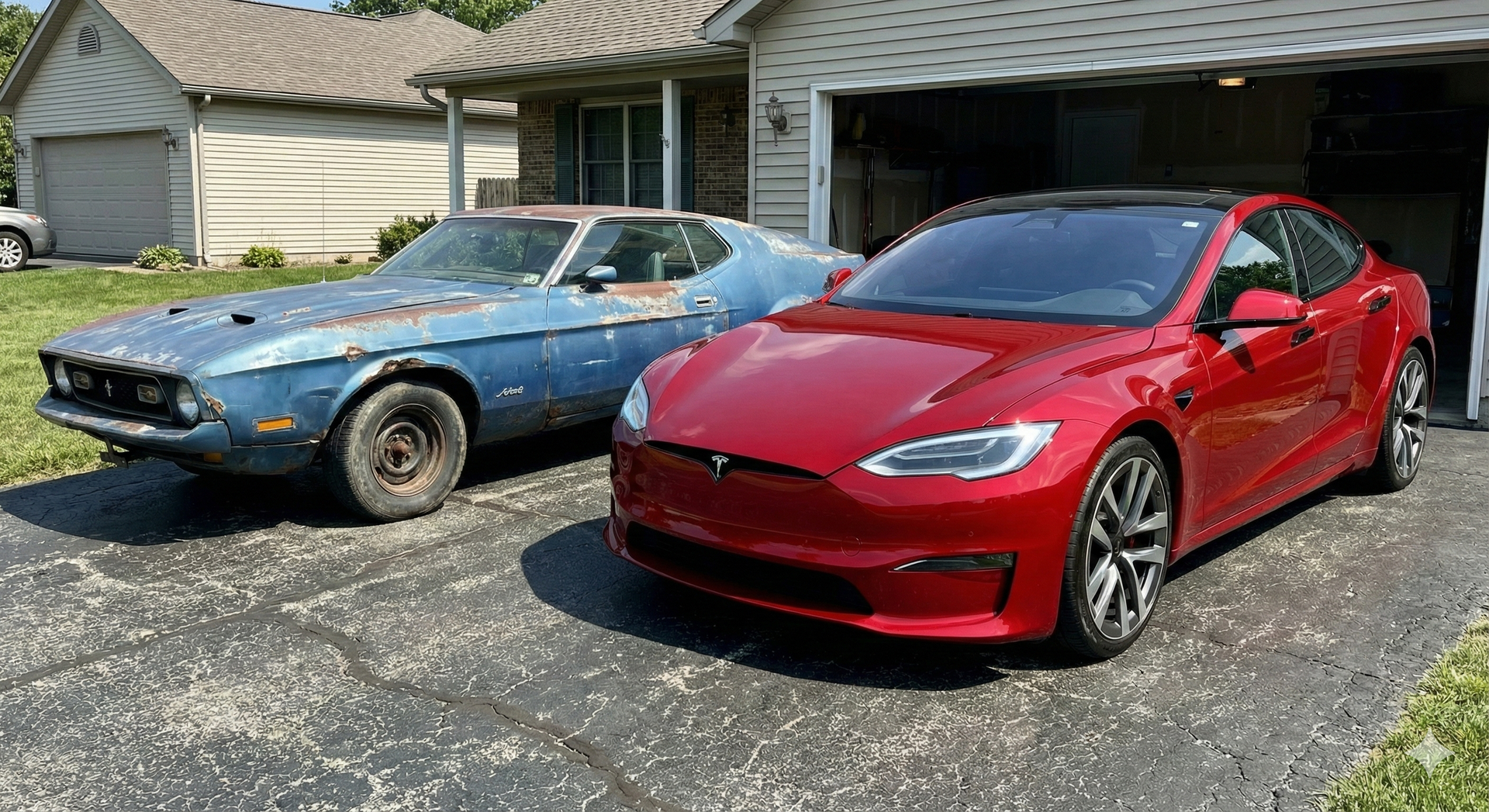
It’s a familiar itch. You’ve had your current car for three years. It’s been great, but maybe your family has grown, your commute has changed, or you just really want that newer model with the better tech. There’s just one problem: you’re only halfway through your five-year finance agreement. Changing cars while you still have outstanding finance is incredibly common, but it requires a bit of math to ensure you don't end up in a worse financial position .

Forget the monotony of the motorway. If you're a driving enthusiast, you know that the real joy of being behind the wheel comes from the challenge of a winding road, the rhythm of shifting gears, and the breath taking scenery that often accompanies the most twisting tarmac. The UK, with its rolling hills, rugged mountains, and dramatic coastlines, is home to some spectacular driving routes that cater specifically to this passion.

Let’s be honest, driving in the UK can sometimes feel like a chore. It’s easy to associate getting behind the wheel with endless motorway contraflows, average speed checks, and the grey sprawl of the M25. But forget the commuter grind for a moment. The UK is undeniably spectacular, and it packs an astonishing variety of landscapes into a relatively small island. From the brooding, ancient peaks of the Highlands to the golden curves of the Cornish coast, some of the world's best driving roads are right on our doorstep.

Unless you are lucky enough to have the full cash amount sitting in your bank account, you will likely need finance to get that new motor on your driveway. In the UK, nearly 90% of new cars are bought using some form of credit. But which type is right for you? It isn't one-size-fits-all. Let’s break down the four main ways to finance a car in the UK in plain English.
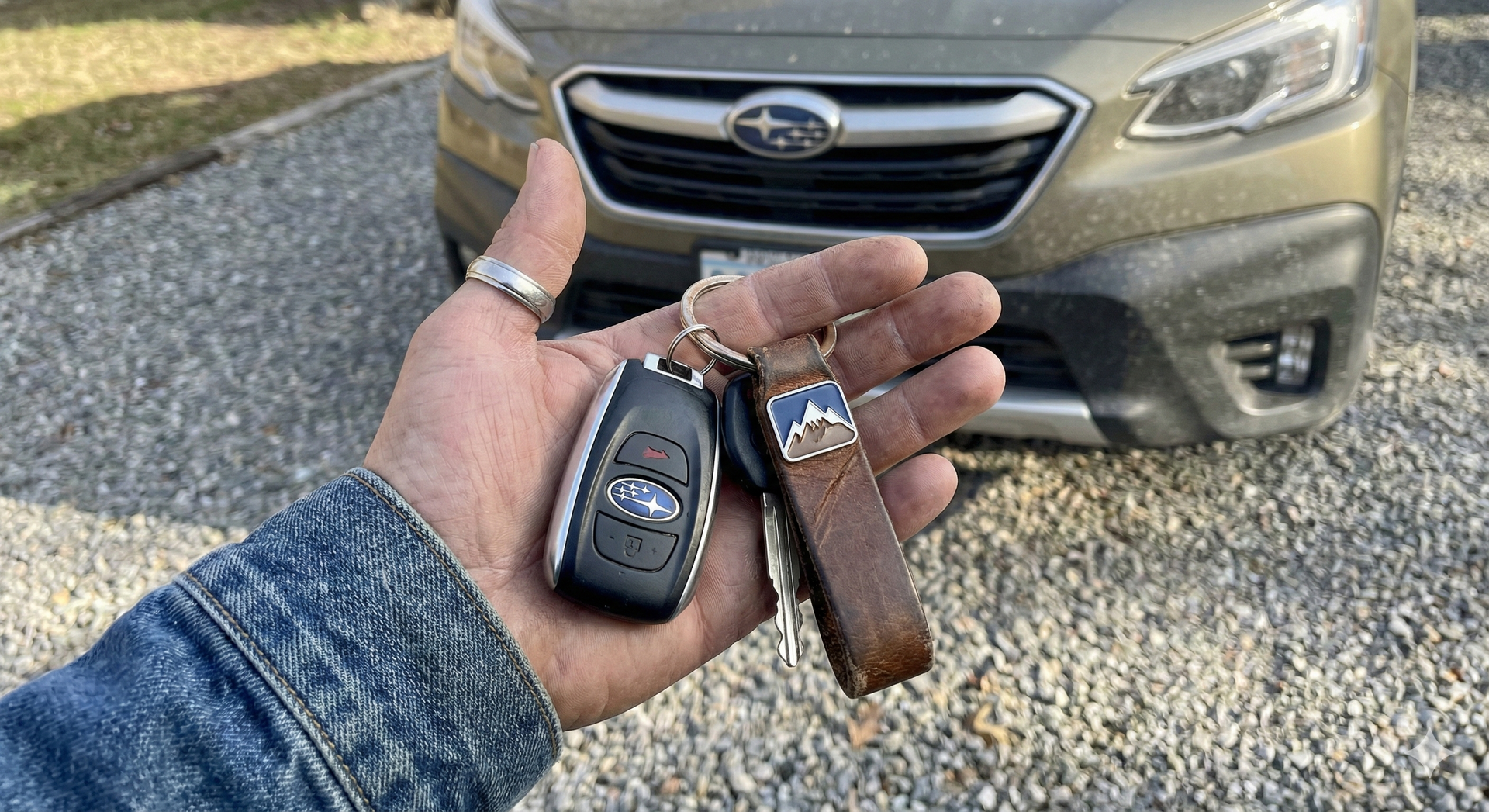
It’s being called the " new PPI, " and for good reason. The UK’s car finance scandal is exploding, with analysts predicting that banks could owe drivers up to £20 billion in refunds. If you bought a car on finance anytime in the last 15 years or so, you’ve likely seen the headlines and wondered: "Am I one of the millions affected?" The confusing part is that you probably wouldn’t know if you were mis-sold anything. The car worked fine, and the monthly payments seemed manageable at the time. But beneath the surface of millions of PCP and HP deals, a hidden practice was costing consumers hundreds, sometimes thousands, of pounds extra in interest.
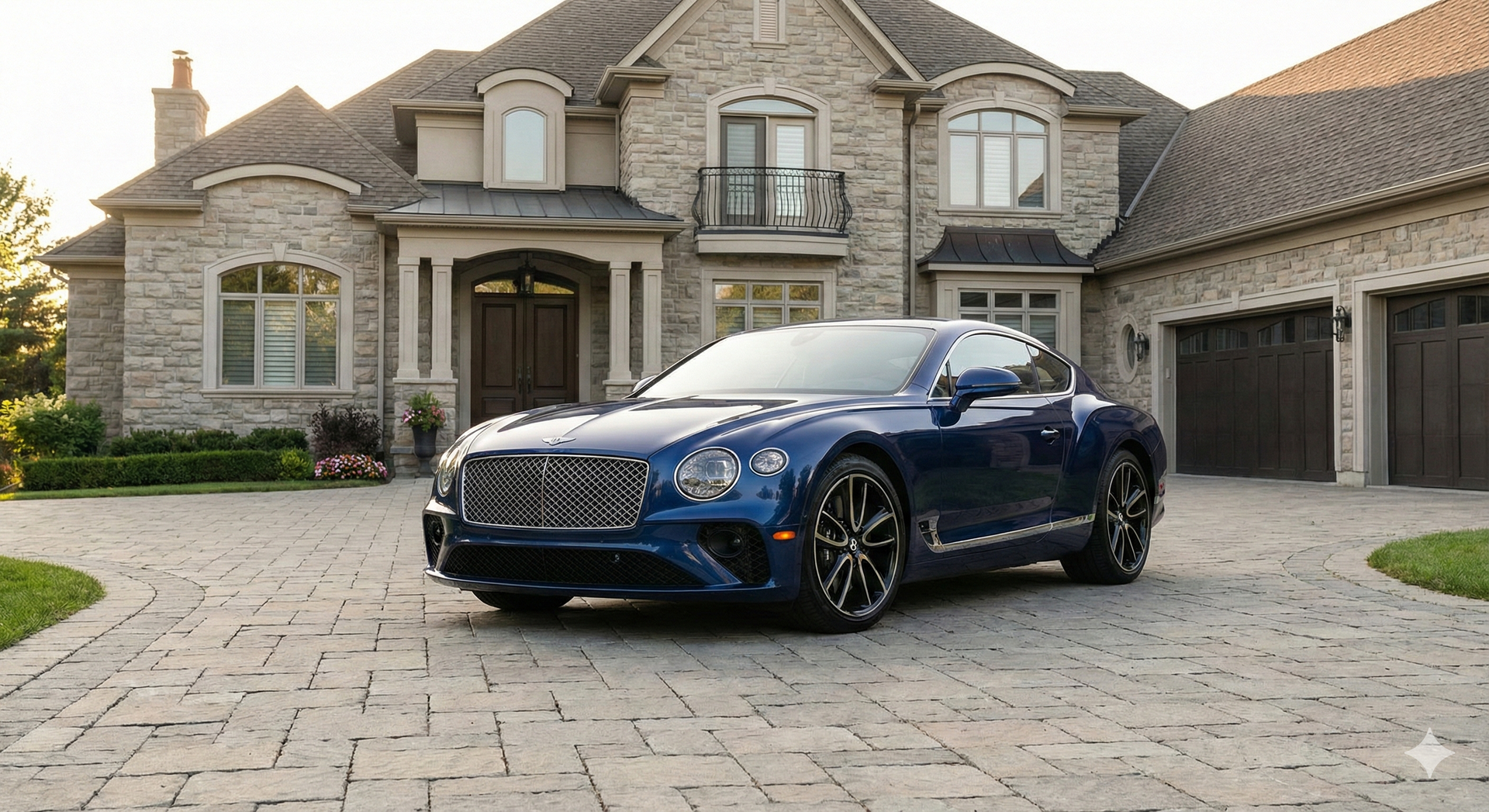
If you’ve been following the news about mis-sold car finance, you know it’s been a rollercoaster year. From high-court battles to regulatory pauses, the landscape has shifted significantly. As we head into 2026, millions of UK drivers are finally seeing a clearer path toward compensation.